

Rising costs, growing patient demand, and stretched clinical teams are putting healthcare under pressure. Across the sector, facilities are being asked to do more with less. As a result, equipment decisions are carrying more weight than ever. Procurement teams are no longer just asking, “What equipment do we need?” They are asking, “What equipment will help us work better under pressure?”
The Shift from Nice-to-Have to Necessity
Not long ago, equipment decisions could be driven by technical features, brand familiarity, or departmental preference. Today, financial pressure is reshaping equpment decisions in healthcare.
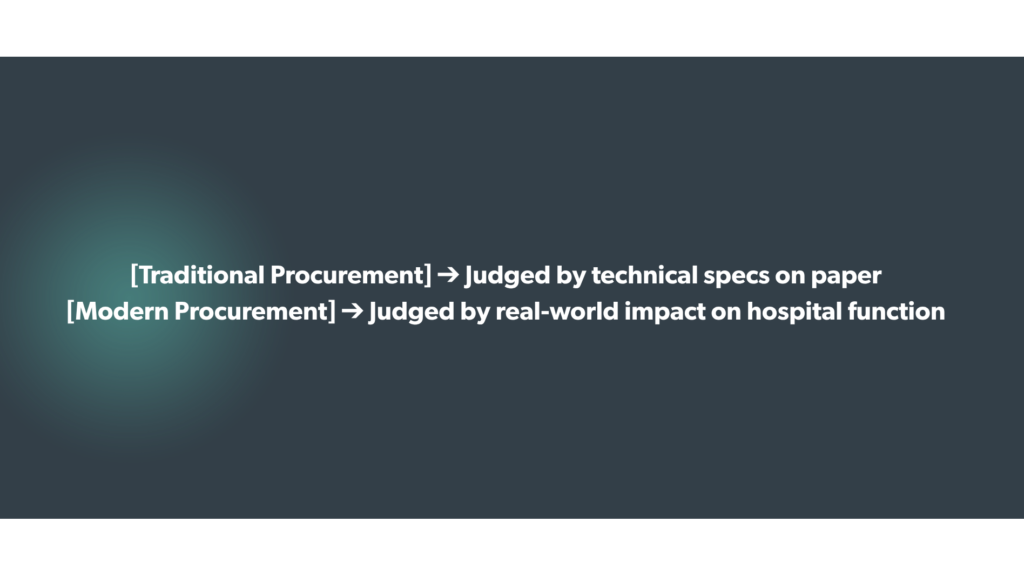
Hospitals procurement teams want to know:
- Will this improve workflow efficiency?
- Can it reduce downtime and service interruptions?
- Will it support faster diagnosis, treatment, or patient throughput?
- How costly will it be to maintain over time?
- Will it make work easier for already stretched clinical teams?
In other words, healthcare facilities are not just buying equipment. They are buying outcomes. Equipment that speeds up diagnosis, improves turnaround time, or eases pressure on staff is no longer just a nice-to-have. It is becoming essential
Uptime and Support Matter More Than Ever
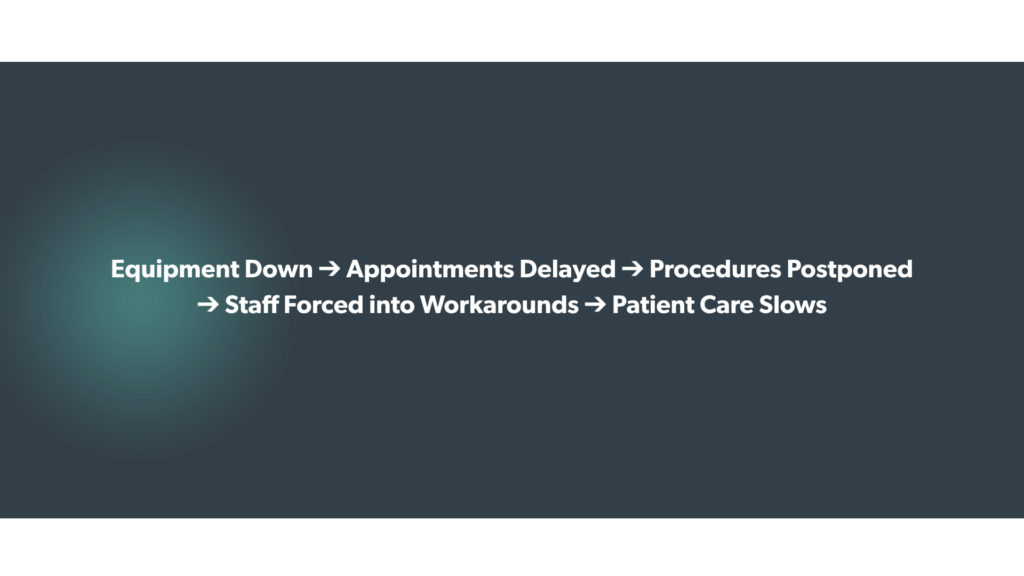
Uptime has become the cornerstone of the value conversation. Healthcare providers are now looking beyond the equipment itself and paying more attention to the support around it, preventive maintenance, engineering support, access to spare parts, and fast response times. Equipment must work flawlessly when the pressure is at its peak.
Turning Financial Pressure into Smarter Equipment Decisions
When budgets are tight better equipment decisions come down to five priorities:
- Prioritise equipment with the greatest operational impact.
Not every equipment need can be addressed at once. Under financial pressure, the focus has to be on the equipment that will make the biggest difference to care delivery, whether that means reducing delays, improving uptime, or easing pressure on clinical teams. - Evaluate total value, not just upfront cost
The cheapest option can become the most expensive if it breaks down often, disrupts workflow, or requires costly maintenance. Procurement decisions need to weigh long-term reliability, service support, consumables, and lifespan. - Make service support part of the buying decision
In high-pressure environments, the quality of after-sales support matters almost as much as the equipment itself. Procurement teams need to think beyond installation and consider response times, engineering support, spare parts, and preventive maintenance. - Buy for the realities of day-to-day care
Equipment should fit the workflow of the people using it. If it slows teams down, adds complexity, or creates avoidable downtime, it weakens the value of the investment. Procurement decisions should reflect how care is actually delivered on the ground. - Think beyond the product to the partnership
In many cases, healthcare facilities do not just need a supplier; they need a partner who understands the operational realities of care delivery and can support performance over time.
A Smarter Way Forward
Under financial pressure, every equipment decisions need to do more than fill a gap, they need to solve a problem. Uni-medical partners with healthcare providers to identify the right solutions for their clinical, operational, and budget realities, backed by dependable engineering support and service that help protect uptime, performance, and long-term value.