

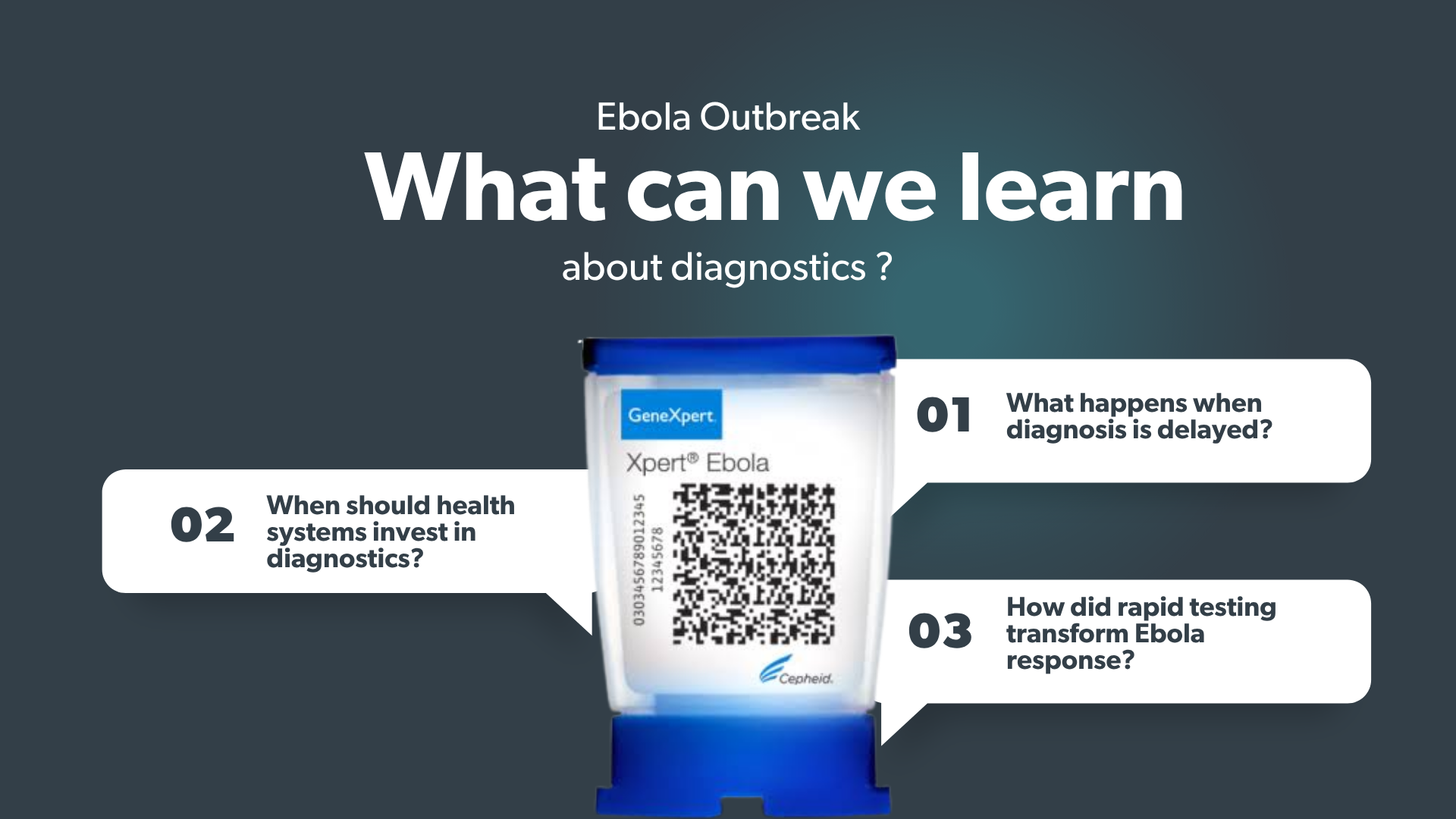
When an outbreak begins, the first question isn’t “How do we treat it?”
It’s “What is it?”
Without that answer, patients may not be isolated quickly enough, diseases continue to spread and doctors are forced to make difficult decisions with limited information,
That’s one of the biggest lessons Ebola has taught the world.
Since it was first identified in 1976, Ebola has repeatedly reminded health systems that outbreak preparedness isn’t only about having treatment centres or PPE. It’s also about having the ability to detect disease quickly.
During the 2014–2016 Ebola epidemic, one thing became clear: countries that diagnosed cases faster were able to respond faster. Rapid diagnosis meant quicker isolation, faster contact tracing, and better control of transmission.
This is where molecular diagnostics changed the game.
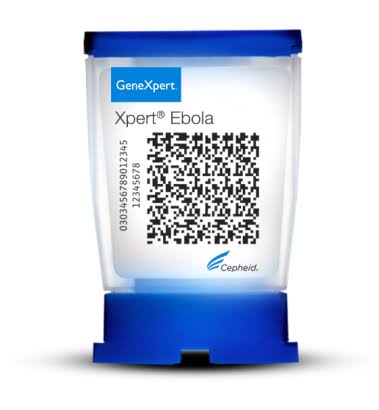
With the GeneXpert platform and the Xpert Ebola Assay, laboratories could confirm Ebola in about 90 minutes, bringing fast, reliable testing closer to the communities that needed it most. The World Health Organization (WHO) recognized the value of rapid molecular diagnostics in strengthening Ebola outbreak response, particularly in improving timely case confirmation and public health action.
The lesson extends far beyond Ebola.
Whether it’s Ebola, COVID-19, Mpox, or the next emerging threat, every outbreak response begins with one thing: knowing what you’re dealing with.
Investing in laboratory infrastructure and modern diagnostic technology isn’t just about improving healthcare, it’s about strengthening outbreak preparedness.
When an outbreak occurs, the speed of your diagnosis shapes the speed of your response. And by then, it’s too late to start building diagnostic capacity.
The time to prepare is now. Partner with Uni-medical to strengthen your laboratory’s diagnostic readiness before the next outbreak arrives.