



Nigeria’s diagnostic industry is evolving rapidly, with growing demand for faster results, better accuracy, and more efficient laboratory services. For entrepreneurs and investors sucess in building a smart diagnostic centre in Nigeria, depends on more than just acquiring equipment , it requires smart planning, quality systems, and the right technology investments.
Understanding the Regulatory Landscape
Building a smart diagnostic centre in Nigeria requires compliance with key regulatory bodies such as the Medical Laboratory Science Council of Nigeria (MLSCN), State Ministries of Health, and the Corporate Affairs Commission (CAC).
Beyond licensing, laboratories must prioritize:
- Quality assurance systems
- Biosafety and waste management
- Staff competency
- Standard Operating Procedures (SOPs)
- Internal and External Quality Control
Today, accreditation and quality standards play a major role in building trust and laboratories that prioritize quality systems are more likely to gain clinician trust, patient confidence, and partnerships with hospitals and HMOs.
Why the Right IVD Equipment Matters
One of the most critical decisions in building a smart diagnostic centre is selecting the right In-Vitro Diagnostic (IVD) equipment.
Many investors focus primarily on purchase cost, but long-term performance and operational efficiency matter more.
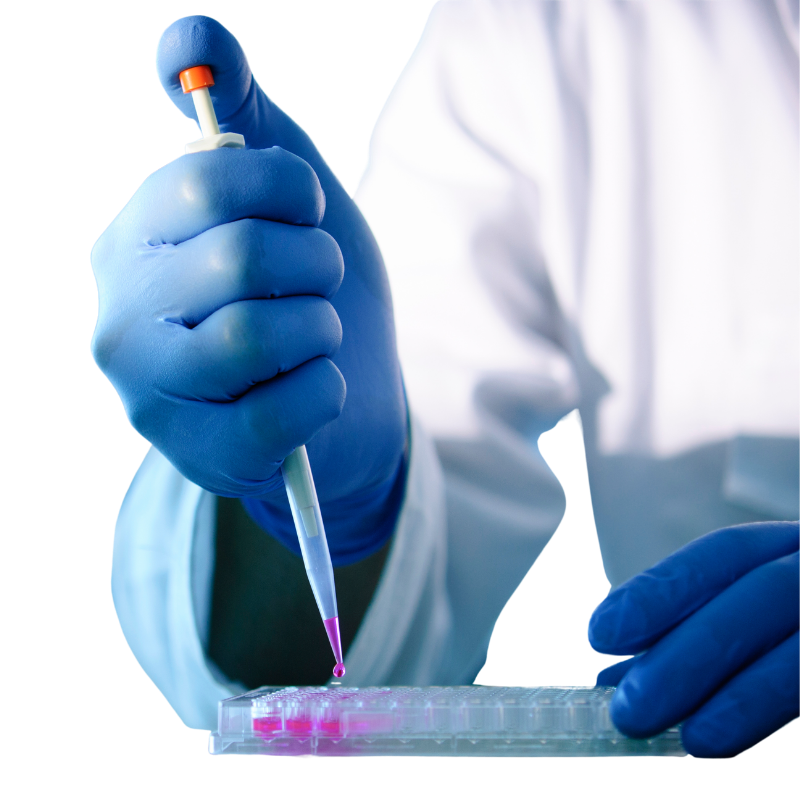
The right analyzer can:
- Improve turnaround time
- Increase workflow efficiency
- Reduce downtime
- Support laboratory expansion
- Improve profitability
When evaluating IVD equipment, laboratories should consider:
- Throughput capacity
- Ease of operation
- Reagent availability
- Technical support
- Power efficiency
- Connectivity and LIS integration
- Scalability for future growth
Nigeria’s healthcare environment also requires systems that can function reliably despite operational challenges.
The Rise of “Test-on-Demand” Diagnostics
Modern laboratories are moving away from traditional batch testing toward more flexible “test-on-demand” systems.
Instead of waiting to accumulate samples, labs can now run tests as they arrive, resulting in:

- Faster results
- Improved patient experience
- Quicker clinical decisions
- Increased operational efficiency
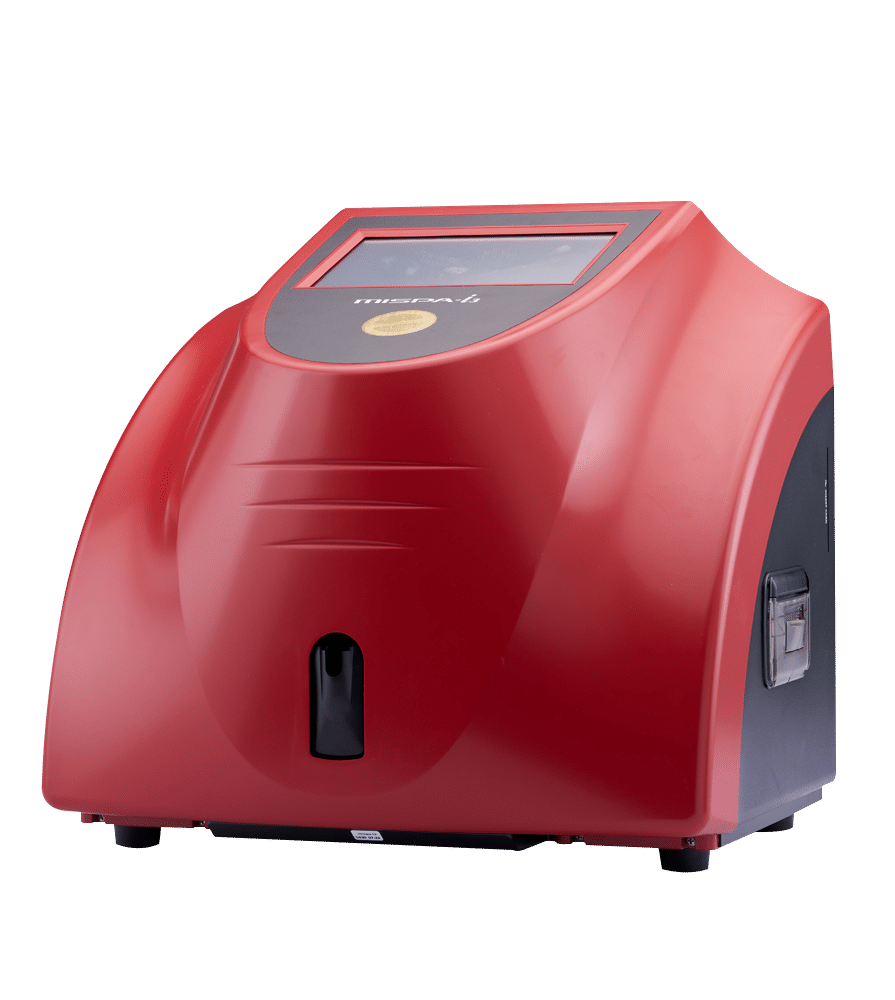
Solutions like the Mispa i3 support this shift by enabling laboratories to analyze samples using a flexible “run-as-you-go” workflow.
The future of diagnostics is increasingly focused on speed, responsiveness, and workflow efficiency.
Future-Proofing Your Diagnostic Centre
For investors and entrepreneurs, building a smart diagnostic centre in Nigeria means investing not just in equipment, but in long-term operational excellence.
Smart diagnostic centres should prioritize:
- Expandable test menus
- Software upgrade capability
- Reliable technical support
- Strong reagent supply chains
- Digital integration and automation readiness
Future-proofing is not about buying the biggest machine, it’s about building a diagnostic ecosystem that can evolve with healthcare needs.