



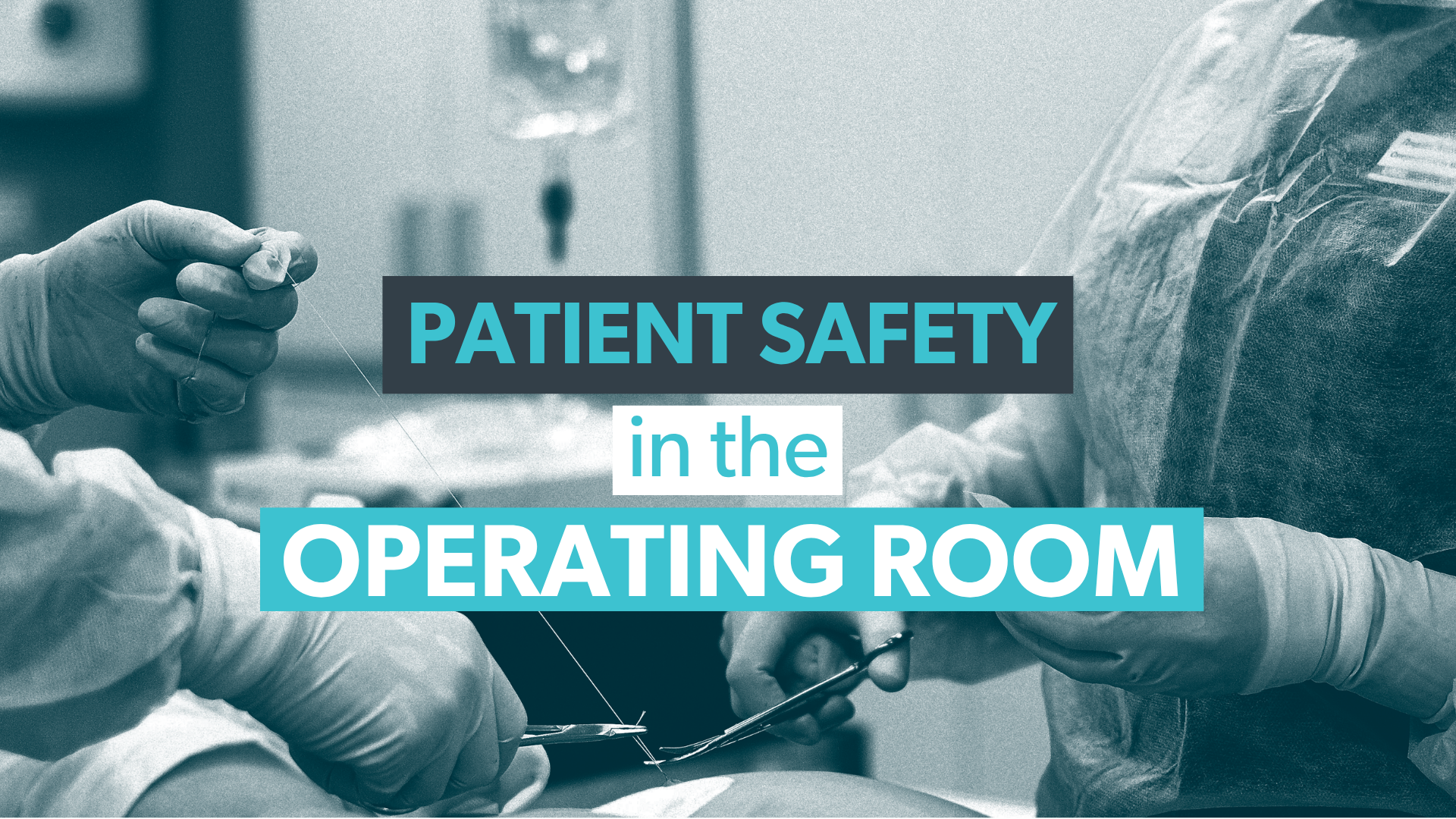
Patient safety does not begin when the surgeon makes the first incision.
It begins long before the patient enters the operating room.
It begins with the decisions made during preparation: the equipment selected, the devices checked, the machines maintained, the consumables supplied, and the systems put in place to support the clinical team when every second matters.
Because when a surgical team enters the operating room, they expect one thing above all else: that everything they rely on will work when they need it.
Now imagine a surgeon preparing to perform a laparoscopic Roux-en-Y gastric bypass, a complex bariatric procedure used to help patients with severe obesity achieve significant and sustained weight loss.
The clinical team assesses the patient, finalises the surgical plan, and prepares everything for the procedure. The anaesthesiologist prepares to manage the patient’s airway and physiological stability. The nurses prepare the sterile field, while the surgeon ensures that the required instruments, devices and consumables are available.
Everything appears ready.
But something happens that compromises the patient safety.
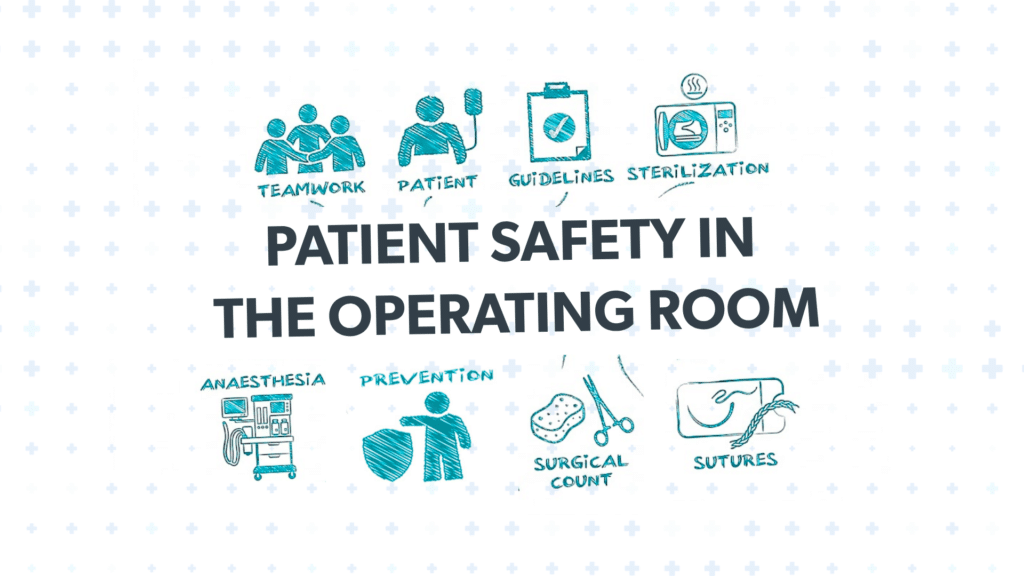
An endoscopic stapler may fail to fire consistently or create the secure staple line expected. Instead of completing a clean transection, the surgeon must pause to troubleshoot the device, reinforce the tissue or replace the stapler.
An anaesthesia workstation may develop a technical problem because the equipment has not received the necessary maintenance or servicing. The resulting interruption can affect the smooth delivery of anaesthesia and monitoring at precisely the point when stability matters most.
Even something as seemingly simple as personal protective equipment can become a weak link. When a glove tears during a procedure, the team must immediately replace it to maintain the sterile workflow and uphold infection prevention and control.
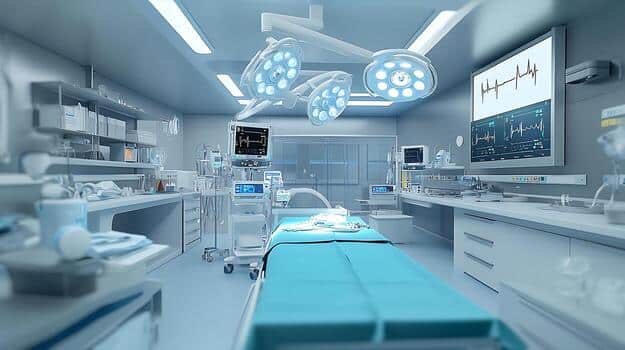
These disruptions can affect patient safety in ways that are not always immediately visible.
This is why patient safety depends on more than clinical expertise. It also depends on the reliability of the equipment, devices and consumables that support every stage of care.
Individual equipment failures → Bigger patient-safety issue
The surgeon may be highly experienced. The anaesthesiologist may be meticulous. The nursing team may be perfectly prepared. But when the tools they rely on fail to perform as expected, the team must respond to a problem that should not have been part of the procedure in the first place.
Reliable equipment cannot eliminate every risk associated with surgery, but it can help healthcare teams reduce avoidable disruptions and maintain the conditions needed to deliver safe, effective care.
That makes quality more than a procurement consideration. It becomes part of patient safety.
Equipment selection, preventive maintenance, product quality and technical support decisions surrounding the operating room can contribute to, or compromise, the safety of the patient.
This is why healthcare facilities need partners who understand that reliability is not simply about keeping equipment operational. It is about helping clinical teams remain focused on delivering excellent care to the patient.
Uni-medical constantly supports healthcare facilities with trusted medical solutions across surgical care, critical care, endoscopy, diagnostics and more, helping healthcare professionals access the tools they need to deliver care with excellence.
Explore our healthcare solutions to find the right solutions for your facility.